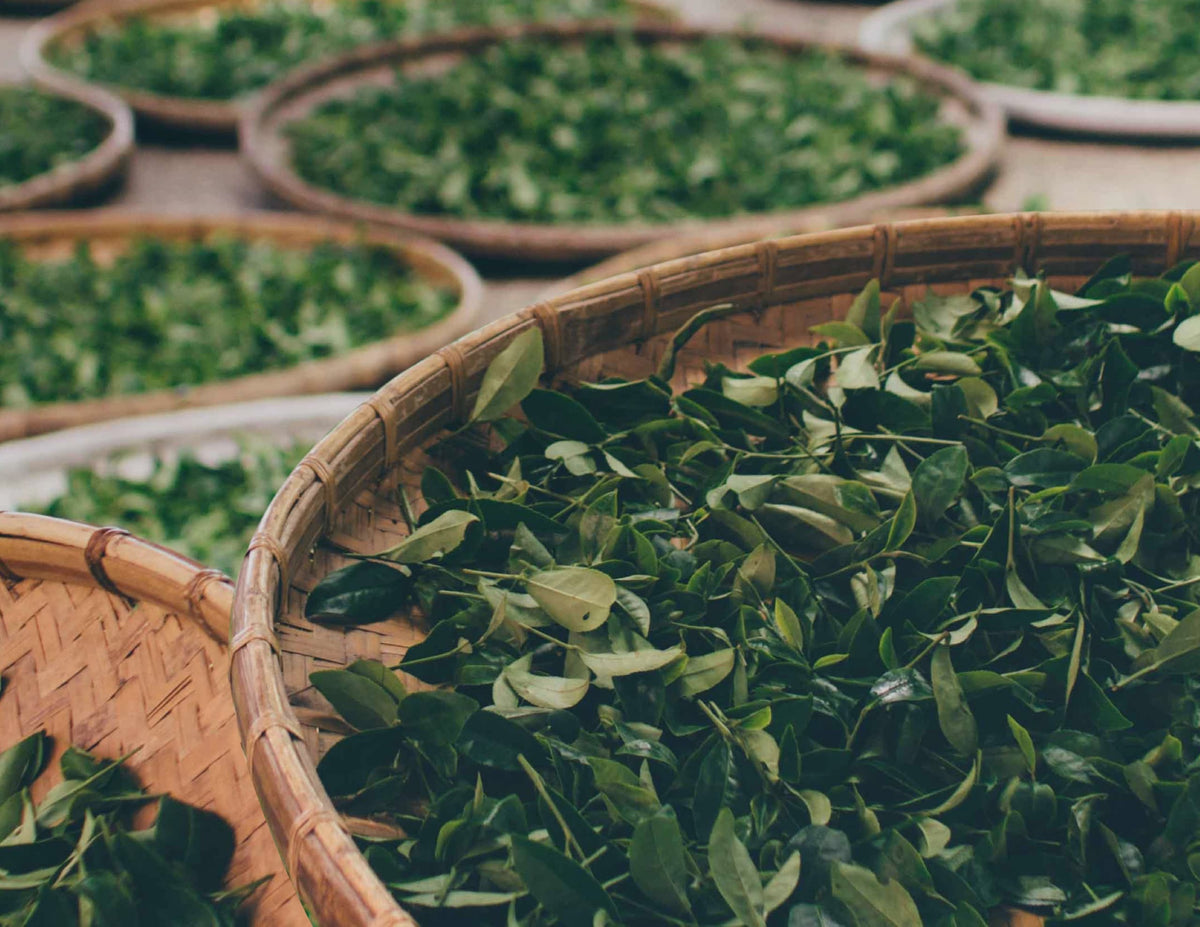
Shop our top traditional, pure leaf teas
The must-sip.
The must-haves.
The faves we could drink a gallon of it in one sitting.

Organic Japanese Sencha
Tea Type: Green Tea. Sip on this energizing and detoxifying organic green tea hot or iced, any time of the day.

Organic Silk Dragon Jasmine
Tea Type: Green Tea. Jasmine teas are scented by layering the tea leaves with freshly picked jasmine flowers.

Organic Gyokuro Yamashiro
Tea Type: Green Tea. An intensely rich flavour – think dark, leafy greens mingled with buttery.

Grand Cru Matcha
Tea Type: Matcha. Delicately smooth and velvety, this is one of the highest grade (and most delicious) matchas on earth.

Organic David’s Breakfast Blend
Tea Type: Black Tea. We’ve carefully chosen our favourite organic Assam and Ceylon black teas.

Organic Nepal Black
Tea Type: Black Tea. Good things are brewing in the Highlands of Nepal. Like this handmade black tea with a rich, sweet, honey-like flavour.

Orange Pekoe
Tea Type: Black Tea. Our classic of all classics is the blend to turn to when you're craving a good, honest cup of pure black tea.

Organic Earl Grey
Tea Type: Black Tea. Lovers of Earl Grey tea adore this creamy alternative to the original breakfast blend.
Explore by tea type
Green Tea
Celebrated around the world for its many benefits, green tea is a must-have for a healthy lifestyle.
Origins
Japan and China
How it’s processed
Leaves are pan fried or steamed to prevent oxidation, and dried to lock in their flavour and green colour
Caffeine content
10-65 mg per 8 oz / 240 ml cup (a cup of coffee contains 140 mg)
What it tastes like
Japanese green teas taste grassy and umami and almost buttery while Chinese variations are vegetal and nutty
Benefits
Energizing, Boosts focus & alertness, Detoxifying, Contains antioxidants


White Tea
The least processed tea from the Camellia sinensis plant, white tea is as close to the living tea bush as you can get.
Origins
Fujian province China
How it’s processed
Leaves are left to wither and dry in a carefully controlled environment
Caffeine content
20-55 mg per 8 oz / 240 ml cup (a cup of coffee contains 140 mg)
What it tastes like
Ranging between floral, warm hay, delicate and sweet
Benefits
Contains antioxidants, High in skin-loving active ingredients, Hydrating

Black Tea
Black tea is a classic choice first thing in the morning, or for an afternoon high tea.
Origins
China, India, Sri Lanka, Nepal and Kenya
How it’s processed
The bruised or rolled leaves are exposed to air and undergo oxidation, resulting in a darker colour and stronger flavour
Caffeine content
30-100 mg per 8 oz / 240 ml cup (a cup of coffee contains 140 mg)
What it tastes like
Flavour can range from fruity and floral to rich and malty with hints of honey
Benefits
Energizing, Boosts alertness, Contains antioxidants

Oolong Tea
Origins
China and Thailand
How it’s processed
Leaves are repeatedly rolled or twisted to manipulate the degree of oxidation, locking in all the wonderful complex flavours
Caffeine content
10-55 mg per 8 oz cup / 240 ml cup (a cup of coffee contains 140 mg)
What it tastes like
From medium to full bodied, floral to fruity, and sweet to toasty, depending on the degree of oxidation
Benefits
Boots metabolism, Ease digestion, Naturally energizing
Pu’erh Tea
Used to serve with food and aid digestion for centuries, pu’erh is a rarity that tea collectors go crazy for.
Origins
China
How it’s processed
Shou/cooked pu’erhs undergo rapid fermentation, while Sheng/raw pu’erhs can be aged for years like a fine wine
Caffeine content
20-125 mg per 8 oz / 240 ml cup (a cup of coffee contains 140 mg)
What it tastes like
Deep, complex & known for its signature earthiness, pu’erh can range from fresh, wet soil & rich cacao to sweet dried fruit
Benefits
Boosts metabolism, Ease digestion, Energizing
Matcha
Matcha powder is made from finely ground green tea leaves – so with every sip, you’re getting all the benefits of the full leaf.
Origins
Aichi prefecture, Japan
How it’s processed
The tea leaves are steamed, dried, deveined and carefully ground to a fine powder
Caffeine content
20-40 mg of caffeine per 8 oz / 240 ml cup (a cup of coffee contains 140 mg)
What it tastes like
Matcha can range in taste from grassy to sweet & creamy, with textures that are smooth to crisp
Benefits
Energizing, Detoxifying, Boosts focus, Rich in L-theanine

why we love traditional, pure leaf teas
We’re constantly inspired by the wide variety of different flavours the leaf has to offer from floral and nutty oolongs to smooth and rich pu’erhs.
Each different style is determined by the plant cultivar where the plant is grown, the age of the bush when harvested, the season it's picked, and how it's treated—dried, fired, steamed, oxidized, aged. On top of that, each type brews at a certain temp—hot, but not screeching-kettle hot. And while it is slightly more complicated than boiling water, it's only slightly.